A physics-based climb across different timelines
Rock and Scroll is a premium simulation game built around platformer and physics-based design. You take control of a rolling boulder moving through different historical eras, each affecting how you navigate the stage. Expect a side-scroller focused on timing, accuracy, and shifting movement rules.
Rock and Scroll keeps its structure straightforward as you scroll to move and click to jump. The flow depends on how well you respond to changing stage conditions, making every section feel distinct. You can expect clear objectives, varied environments, and mechanics that challenge your control as the pace gradually increases.
Rolling through historical stages
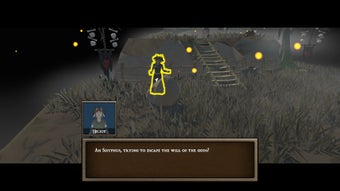
Rock and Scroll puts you in the role of Sisyphus, chained to the boulder he once pushed. You move through different historical eras, each changing how movement and physics behave. Along the way, you meet characters who offer small tasks and uncover hidden secrets. The goal is to keep adapting to the shifting mechanics while steadily progressing toward the peak of your climb.
Advancing combines scrolling to move and clicking to jump, creating a timing-focused platforming experience. Each era features unique physics changes: gravity may tilt, controls can invert, or surfaces alter your momentum. The game also introduces subtle environmental challenges, such as moving platforms and hidden pitfalls, that require attention and strategy. Plus, collectibles and side activities add variety without slowing the pace.
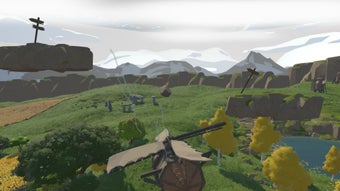
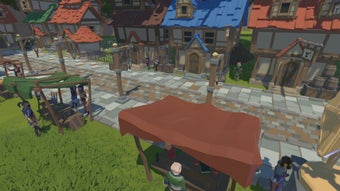
Every era has its own visual identity, brought to life with clear animations and immersive sound cues. Controls remain intuitive and responsive, even as the challenges grow. As you advance, difficulty ramps up, which demands better timing and decision-making. Since the game is fairly new, you may expect occasional minor technical issues to interrupt gameplay, though they don’t significantly affect the overall experience.
Era-shifting physics trial
Rock and Scroll offers a clear, movement-driven experience that centers on timing, physics changes, and simple inputs. It works best for players who enjoy precision-focused platformers and steady mechanical shifts. The game stays compact and easy to grasp, keeping your attention on how each era alters the way you move. Overall, it delivers enough challenges to stay engaging from start to finish.